
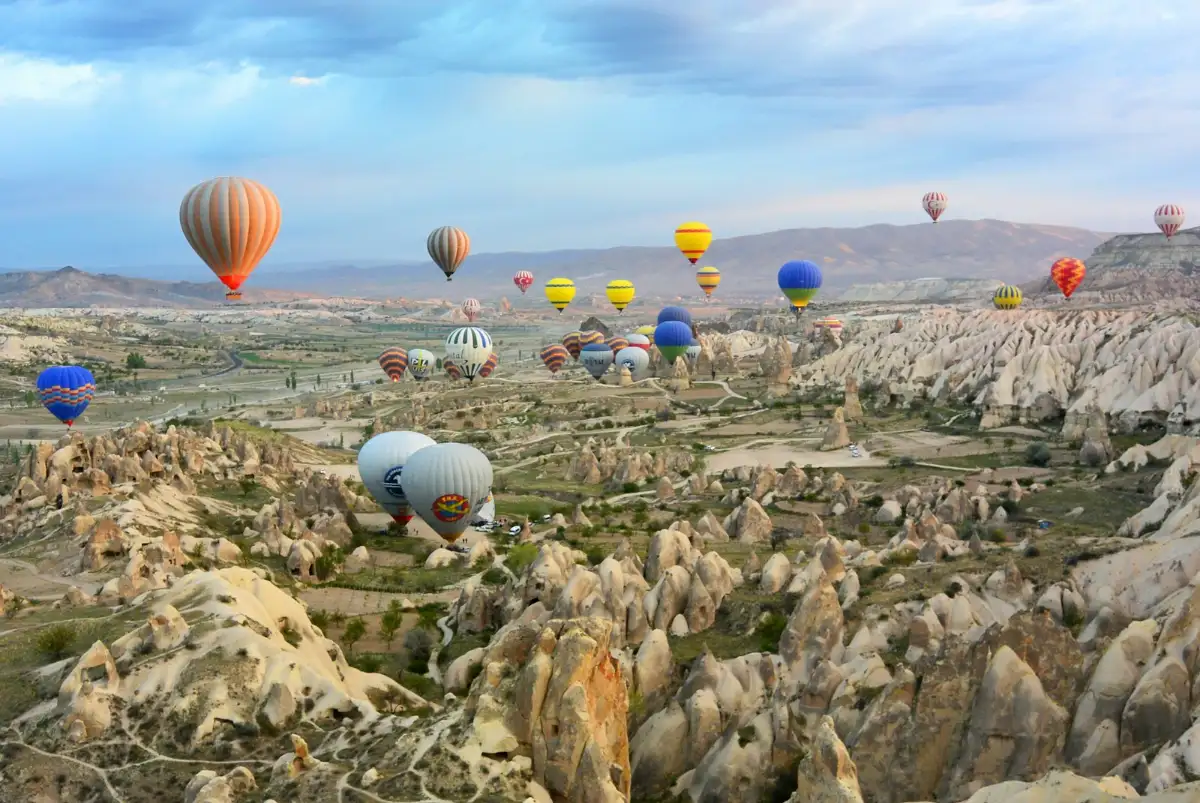
Cappadocia is one of the few places that looks exactly like the photographs, and the photographs still do not explain it. Volcanic ash settled here millions of years ago, hardened into soft rock, and wind and water carved it into cones, ridges and chimneys. People then hollowed the rock out and lived inside it, for centuries, in houses, churches and entire cities underground.
This Cappadocia travel guide covers what the balloon flight really costs and how often it is cancelled, which valleys and museums are worth paying for, where to base yourself, and how to get here from Istanbul without wasting a day. It is the second stop in our Turkey series, after the Turkey travel guide.
The Quick Answer
Three nights in Cappadocia is the sweet spot, and two is the minimum if you want the balloon. A standard shared sunrise flight runs roughly 150 to 280 euros depending on the month, and it is cancelled for weather on around a third of mornings across the year, so book it for your first morning, not your last. The Goreme Open Air Museum is 20 euros, the underground cities at Derinkuyu and Kaymakli are about 13 euros each, and the valleys are free to walk. Fly from Istanbul to Nevsehir (NAV) or Kayseri (ASR), about 80 minutes, then transfer 35 to 80 minutes to Goreme. April, May, September and October are the best months.
On this page
- Cappadocia at a glance
- The balloon flight, honestly
- The valleys, and which to walk
- Goreme Open Air Museum and the rock churches
- The underground cities
- Where to base yourself
- Cave hotels, what to know
- Getting there and getting around
- How many days, and a three day plan
- The best time to visit
- What catches people out
- Cappadocia FAQs
Cappadocia at a glance
| Basic | Detail |
|---|---|
| Where | Central Anatolia, around Nevsehir province, roughly 730 km from Istanbul |
| Main base | Goreme, with Uchisar, Urgup, Ortahisar and Avanos as alternatives |
| Airports | Nevsehir Kapadokya (NAV) and Kayseri Erkilet (ASR) |
| Balloon flight | Roughly 150 to 280 euros per person, shared basket, about an hour |
| Headline ticket | Goreme Open Air Museum, 20 euros |
| Best months | April, May, September and October |
| Sensible stay | Three nights, two at an absolute minimum |
The balloon flight, honestly
Most people come for this and it does live up to it. You are collected in the dark, you watch the envelopes inflate in a field, and you lift off as the sun comes up over the chimneys with a hundred other balloons around you. A standard shared flight is about an hour and costs roughly 150 to 280 euros per person depending on the season, with deep winter the cheapest and September and October the most expensive. Private baskets run into the thousands.
The part nobody mentions when they sell you the trip is cancellation. Flights need daily clearance from the Turkish civil aviation authority and they do not fly in wind or poor visibility.
⚠️ BOOK THE BALLOON FOR YOUR FIRST MORNING
Cancellation runs at roughly 7 to 15 per cent in the settled months of April, May, September and October, rises through summer, and reaches 35 to 50 per cent in January and February, with operators reporting an annual average around a third of all mornings. If you stay two nights and book the flight for your second morning, a cancellation ends your chances. Book the first morning so you have a spare day to be rolled over to. When the operator cancels for safety you get a full refund, but if you cancel on a flying day you usually lose a large part of the fare.
Book with a licensed operator rather than the cheapest seat you can find, check that hotel transfer and insurance are included, and treat a very low headline price as a sign of a crowded basket of 20 or more. If you do not fly, the viewpoints above Goreme give you the same sunrise from the ground for nothing.
The valleys, and which to walk
The valleys are the best free thing in Cappadocia and the part most visitors skimp on, because the standard tours drive past them. Trails are rough but short, and an hour after the balloons land you can have most of them to yourself.
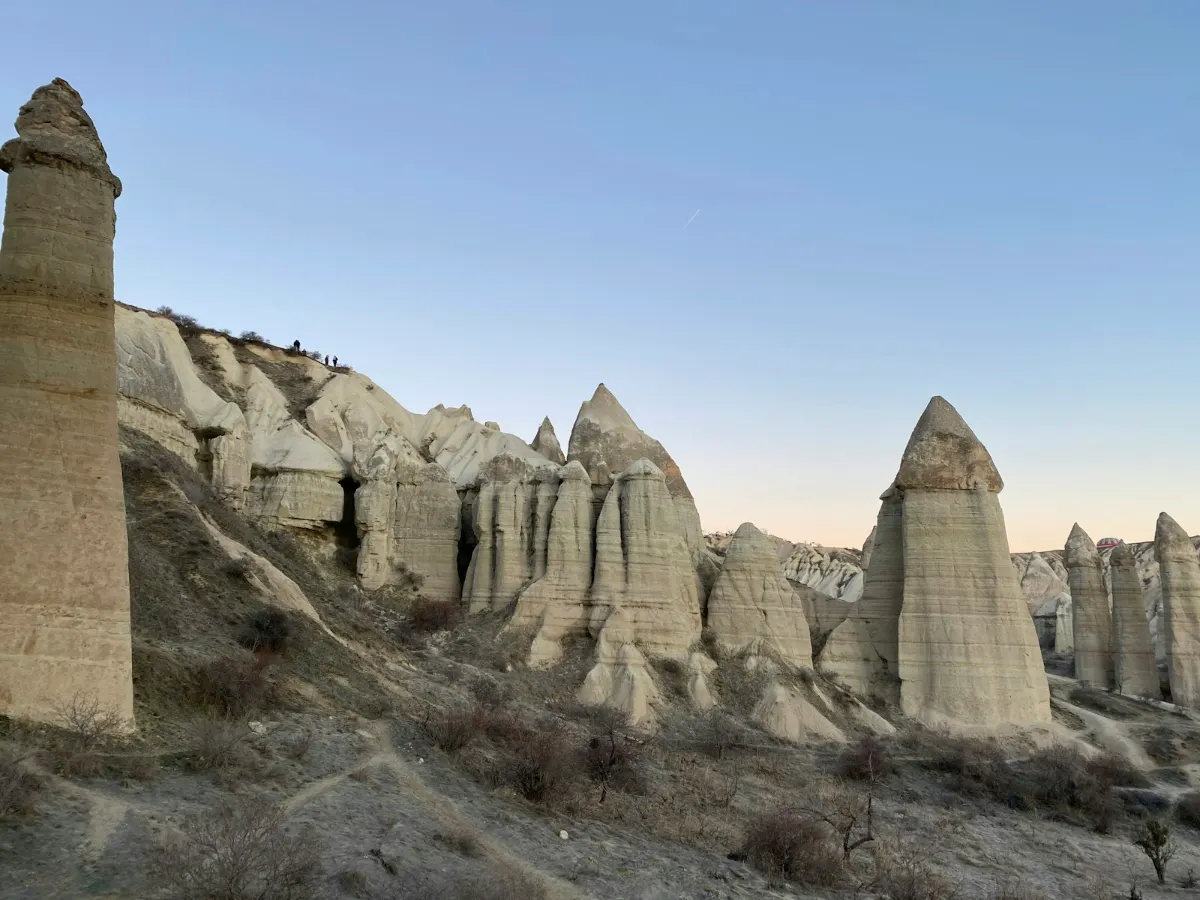
- Love Valley. The tallest and most famously shaped chimneys, about 45 minutes on foot from Goreme, best in late afternoon light.
- Rose and Red valleys. The classic sunset walk, pink and orange rock with cut churches along the way. Allow two to three hours and start well before dusk, as the trails are unlit.
- Pigeon Valley. Runs between Goreme and Uchisar past thousands of pigeon houses cut into the cliffs, once used to collect droppings for fertiliser. An easy one way walk of about an hour.
- Devrent Valley. No churches and no trails to speak of, just eroded shapes that everyone reads as animals. Twenty minutes is enough.
- Ihlara Valley. A green river gorge an hour and a half south west, with rock churches along the path and a small entrance fee of about 6 euros. Half a day with the drive, usually combined with Selime Monastery.
Take more water than feels necessary, wear shoes with grip, and download an offline map. Paths fork constantly, signage is poor, and phone signal drops in the gorges.
Goreme Open Air Museum and the rock churches
The Goreme Open Air Museum is a UNESCO listed monastic complex of chapels cut into the rock, with Byzantine frescoes from roughly the tenth to twelfth centuries. Entry is 20 euros for foreign visitors and the Dark Church, which has the best preserved paintings of the lot, needs a small extra ticket that is worth paying. Allow two to three hours and go at opening, since the tour groups arrive mid morning.
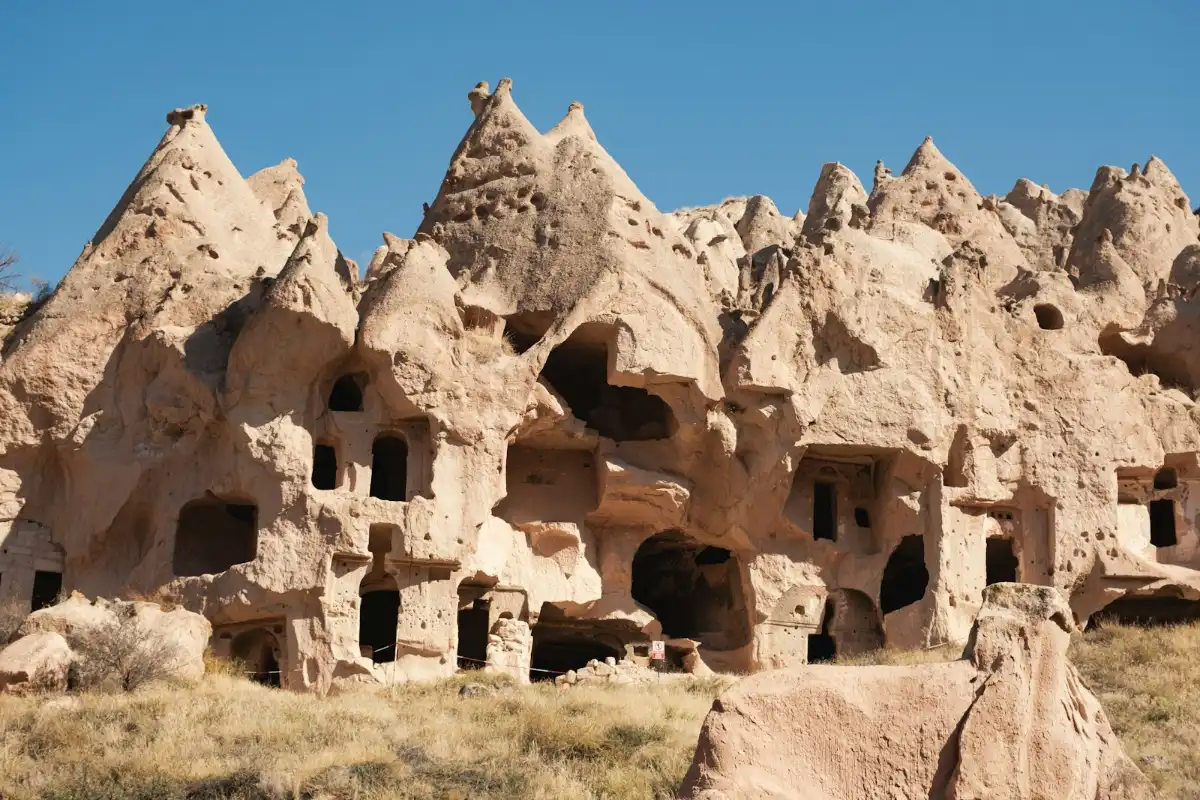
Zelve, about 20 minutes away, is the quieter alternative: an abandoned cave village of three valleys that people lived in until the 1950s. Cavusin and the old Greek village of Mustafapasa are free, undermanaged and often empty.
| Site | Approximate entry | Time needed |
|---|---|---|
| Goreme Open Air Museum | 20 euros, Dark Church extra | 2 to 3 hours |
| Derinkuyu Underground City | About 13 euros | 45 minutes |
| Kaymakli Underground City | About 13 euros | 30 to 45 minutes |
| Zelve Open Air Museum | About 12 euros | 1 to 2 hours |
| Uchisar Castle | Roughly 6 to 9 euros | 30 minutes |
| Ihlara Valley | About 6 euros | Half a day with transport |
| Love, Rose, Red, Pigeon and Devrent valleys | Free | 1 to 3 hours each |
💡 ON THE MUSEUM PASS
A regional Museum Pass Cappadocia covers the Goreme museum, both underground cities, Zelve and Ihlara, and the national Museum Pass Turkiye covers them too. The price is set in lira and revised regularly, which is why quoted figures online contradict each other so badly. Work out which sites you actually want, then check the current price on the official museum ticketing site before you buy. If your list is just the Goreme museum and one underground city, single tickets usually win.
The underground cities
More than 30 underground settlements have been found in the region and two are properly open. Derinkuyu is the deeper of the pair, dropping around 85 metres with eight levels accessible, and feels like a vertical descent. Kaymakli is shallower at four open levels but wider, a maze of kitchens, stables, wineries and chapels that reads more like a neighbourhood. They are about 15 minutes apart and cost roughly 13 euros each, so most people pick one.
Pick Derinkuyu for the drama and Kaymakli if you are travelling with children or are unsure about tight spaces. Both involve bent over walking through low tunnels, both hold a steady 13 degrees all year, so bring a layer even in August, and neither takes more than about 45 minutes. Anyone genuinely claustrophobic should skip them without guilt.
Where to base yourself
- Goreme. The default. Most cave hotels, most restaurants, every tour picks up here and the balloons launch around it. Also the busiest and the most touristed.
- Uchisar. Ten minutes away, quieter, higher, with the castle rock at its centre and the best wide views at sunset. Fewer places to eat.
- Urgup. A proper working town with wine shops and a normal high street, good if you want somewhere that does not revolve entirely around visitors.
- Ortahisar. Small, quiet and cheap, built around its own rock castle, with very little tourist infrastructure.
- Avanos. On the Kizilirmak river, known for red clay pottery. Pleasant, but furthest from the balloon launch fields and the main valleys.
Cave hotels, what to know
Staying inside the rock is part of the appeal and the quality varies enormously. A genuine cave room is carved into tuff, has thick walls, stays cool in summer and needs good ventilation. A lot of places advertised as cave hotels are ordinary stone built rooms with a curved ceiling. Check recent photographs rather than renders, ask whether the room has a window, and read reviews for damp and signal.
Rooms with a terrace facing the launch fields cost noticeably more and are worth it for one reason: if your balloon is cancelled, you still watch the sunrise flight from bed. Book early for April, May, September and October, when the good terraces sell out months ahead.
Getting there and getting around
There is no airport in Cappadocia itself and no useful train. Almost everyone flies from Istanbul, which takes about 80 minutes, then transfers by road. Nevsehir Kapadokya (NAV) is closer to Goreme at roughly 35 to 45 minutes, while Kayseri Erkilet (ASR) is 60 to 80 minutes away but has far more daily flights and easier rebooking, which matters if your schedule is tight.
| Route | Time | Notes |
|---|---|---|
| Istanbul to NAV or ASR by air | About 80 minutes | Several daily flights, book ahead in high season |
| NAV to Goreme | 35 to 45 minutes | Shared shuttle or private transfer |
| ASR to Goreme | 60 to 80 minutes | More flights, longer drive |
| Istanbul to Nevsehir by overnight bus | 10 to 12 hours | Cheap, arrives early morning, shuttle into Goreme |
| Ankara to Cappadocia by road | About 4 hours | Only sensible on a wider road trip |
On the ground there is no real public transport between the villages beyond infrequent dolmus minibuses. Most people either join the standard Red and Green tours, hire a car for a day, or rent a scooter or quad. Taxis are plentiful but agree the fare first. If you are flying in the same morning as a balloon slot, do not: the pickup is around 04:30 and a late arrival the night before ruins both.
How many days, and a three day plan
- Day one. Balloon at sunrise, breakfast back at the hotel, Goreme Open Air Museum late morning, then the walk through Pigeon Valley to Uchisar and the castle rock for sunset.
- Day two. Derinkuyu or Kaymakli in the morning, Ihlara Valley and Selime in the afternoon if you want a full day out, or Zelve and Avanos pottery if you want a gentler one. Rose and Red valleys at sunset.
- Day three. Spare morning for a rolled over balloon flight, then Love Valley, Cavusin and Ortahisar, or a long slow lunch in Urgup before the flight out.
Two nights works only if you accept the balloon might not happen. Four is comfortable and leaves room for a second attempt and a proper hike. Most people pair it with Istanbul, which is an easy 80 minute flight away: see our guide to the best things to do in Istanbul for that half of the trip.
The best time to visit
April, May, September and October give you mild walking weather, the lowest balloon cancellation rates of the year and the valleys at their best. June to August is hot in the afternoons, though the dawn air is usually still and balloon reliability stays decent. November to March is cold, quiet and often snowy, which is beautiful on the chimneys, but it carries the worst flying odds and short daylight. Winter is the right choice only if the landscape rather than the flight is your priority, or if you can stay four or more mornings.
What catches people out
- One morning, one chance. Short trips plus a late balloon booking is the single most common regret here.
- It is colder than the forecast at dawn. You are at around 1,000 metres and the launch field at 05:00 is far colder than the afternoon high. Bring a proper jacket.
- Entrance fees in euros. Like Istanbul, the main state sites now quote foreign visitors in euros, so carry a card and budget in both currencies.
- Quad and horse tours. Fun, dusty and lightly regulated. Check the operator and insurance rather than booking the cheapest board outside a cafe.
- Carpet and pottery demonstrations. Standard stops on group tours and a hard sell. Our colleagues guide to common tourist scams is a useful read before you travel.
- Photo props. The rooftop breakfast scenes and staged dresses cost money and often need booking. Nothing wrong with that, but it is not free, and small extras add up quickly.
Explore More
Cappadocia pairs naturally with Istanbul. More Turkey guides are on the way.
Cappadocia FAQs
How much does a Cappadocia balloon ride cost?
A standard shared sunrise flight is roughly 150 to 280 euros per person in 2026, cheapest in deep winter and most expensive in September and October. Private baskets are priced per balloon and run to several thousand euros.
How often are the balloons cancelled?
Around a third of mornings across the year. It falls to roughly 7 to 15 per cent in April, May, September and October, and rises to 35 to 50 per cent in January and February. Flights need daily clearance from the civil aviation authority.
What happens if my balloon flight is cancelled?
If the operator cancels for safety you get a full refund or a rollover to the next morning, which is why booking the first morning of your stay matters. If you cancel yourself after the flight has been confirmed, you normally lose a large part of the fare.
How many days do you need in Cappadocia?
Three nights is the sweet spot. Two is the minimum and leaves you one balloon attempt. Four gives you a spare morning and time to walk the valleys properly.
How much is the Goreme Open Air Museum?
20 euros for foreign visitors, with a small extra ticket for the Dark Church, which has the best preserved frescoes. Allow two to three hours and arrive at opening.
Is the Museum Pass worth it in Cappadocia?
It depends on your list. The pass covers the Goreme museum, Derinkuyu, Kaymakli, Zelve and Ihlara. Its lira price changes regularly, so check the official museum site. For two sites or fewer, single tickets usually work out cheaper.
Derinkuyu or Kaymakli, which is better?
Derinkuyu is deeper and more dramatic, around 85 metres with eight levels open. Kaymakli is shallower and wider, easier with children. They cost about the same, roughly 13 euros, and one is enough for most visitors.
Are the underground cities claustrophobic?
Yes, in places. Several passages are low enough to need bending double and they can be busy, which makes turning back awkward. If tight spaces bother you, skip them and spend the time in the valleys instead.
Do I need to pay to walk the valleys?
No. Love, Rose, Red, Pigeon and Devrent are free. Ihlara Valley charges a small fee of about 6 euros, and the open air museums at Goreme and Zelve are separate paid sites.
Which airport is best for Cappadocia?
Nevsehir (NAV) is closer, about 35 to 45 minutes from Goreme. Kayseri (ASR) is 60 to 80 minutes away but has many more daily flights, so it is the safer choice if your dates are fixed.
How long is the flight from Istanbul?
About 80 minutes to either airport, with several departures a day from both Istanbul airports. The overnight bus takes 10 to 12 hours and is the cheap alternative.
Can I visit Cappadocia as a day trip from Istanbul?
Technically yes, with an early flight and a late return, but you would miss the balloon and the sunset, which are the two best parts. One night is the realistic minimum, two is better.
Where should I stay in Cappadocia?
Goreme for convenience, Uchisar for quiet and views, Urgup for a real town, Ortahisar for cheap and small, Avanos for the river and pottery. Goreme suits most first visits.
Are cave hotels actually caves?
Some are, carved into the tuff with thick walls and cool rooms. Many advertised as cave hotels are conventional stone rooms with curved ceilings. Check recent guest photographs and ask whether the room has a window.
What is the best time of year to visit Cappadocia?
April, May, September and October, for mild weather and the best balloon reliability. Summer is hot in the afternoons, winter is snowy and quiet but has the highest cancellation rates.
What should I wear for a balloon flight?
Layers and closed shoes. The pickup is around 04:30, the launch field is cold even in summer at roughly 1,000 metres, and the burner overhead makes the basket warm once you are up.
Do I need a car in Cappadocia?
Not necessarily. The villages are close together, tours cover the far sites, and taxis are easy. A car or scooter helps if you want to chase light at sunrise and sunset without waiting on a group schedule.
Is Cappadocia worth visiting without the balloon?
Yes. The valleys, the rock churches, the underground cities and the cave villages stand on their own, and the free viewpoints above Goreme give you the balloons at sunrise from the ground anyway.
The bottom line
Cappadocia rewards a slightly longer stay than most people give it. Book three nights, put the balloon on the first morning, spend one day underground and in the museums, and leave the rest for walking the valleys when the tour buses have gone. The landscape, not the photograph of it, is the thing worth travelling for.
Sources: Turkey Travel HQ, Cappadocia Now, AskCappadocia, Visit Cappadocia, GET4S, Epic Turkey Travel, Packzup Prices, fees and opening hours change often, so check before you travel. Photos via Unsplash: Mar Cerdeira, Burak Arslan, Carlo Romero.