This UAE travel guide covers the whole country, not just Dubai. The United Arab Emirates is seven emirates in one compact federation, and most visitors only see one or two of them. Below you will find what each emirate is best for, how the new Etihad Rail trains change getting around, the laws visitors actually need to know, sensible trip lengths and where to go deeper. If Dubai is your main base, pair this with our Dubai travel guide.
The Quick Answer
Plan 5 to 7 days for a first UAE trip: 3 or 4 in Dubai, 1 or 2 in Abu Dhabi and a day trip to Sharjah, Ras Al Khaimah or the east coast. Go between November and March for the most comfortable weather. Many passports get a visa on arrival, but check your own nationality first. Dress modestly away from the beach, drink alcohol only in licensed venues and never in Sharjah, and use the new Etihad Rail for fast trips between Dubai, Abu Dhabi and Fujairah.
On this page
- UAE at a glance
- The seven emirates explained
- Is the UAE safe to visit?
- Visa and entry
- Best time to visit
- Getting around the UAE
- How many days you need
- Top experiences across the UAE
- Laws and etiquette
- Money and costs
- Where to stay
- FAQs
UAE at a Glance
A few basics shape almost every trip. The country is a federation of seven emirates with Abu Dhabi city as the capital, and the dirham has a fixed rate against the US dollar, so prices barely move for anyone paying in dollars.
| Basic | Detail |
|---|---|
| Capital | Abu Dhabi city |
| Emirates | Abu Dhabi, Dubai, Sharjah, Ajman, Umm Al Quwain, Ras Al Khaimah, Fujairah |
| Currency | UAE dirham (AED), fixed at AED 3.6725 to US$1 |
| Time zone | GMT+4, no daylight saving |
| Official language | Arabic, with English widely used in tourism |
| Alcohol | Licensed venues only, legal age 21; illegal in Sharjah |
| Visitor visa | Visa on arrival for many passports, 30 or 90 days depending on nationality |
Source: u.ae fact sheet, FCDO (GOV.UK), u.ae
Dubai is the gateway for most visitors and keeps breaking its own records. That popularity is the reason many people never leave the city, which is a shame, because the other six emirates add mountains, oases, heritage towns and quieter beaches within a short drive.
📊 BY THE NUMBERS
Dubai alone welcomed a record 19.59 million international overnight visitors in 2025, its third straight year of growth. The rest of the UAE sees a fraction of that, which is exactly why a day or two outside Dubai feels so different.
Source: Khaleej Times
The Seven Emirates Explained
Each emirate has its own government, its own character and in some cases its own rules. Here is the short version before the detail.
| Emirate | Best for | Good to know |
|---|---|---|
| Dubai | Skyline, beaches, shopping, nightlife | Best transport and widest hotel choice |
| Abu Dhabi | Grand Mosque, Louvre, theme parks, Liwa desert | The capital and the largest emirate |
| Sharjah | Museums, heritage area, Khor Fakkan | Alcohol is illegal; more conservative dress |
| Ajman | Quiet beach hotels, good value | Small and easy to combine with Sharjah |
| Umm Al Quwain | Mangroves, kayaking, slow pace | The least developed emirate for tourism |
| Ras Al Khaimah | Jebel Jais, ziplines, hiking, resorts | Home to the UAE’s highest peak |
| Fujairah | East coast beaches, snorkelling, mountains | Only emirate fully on the Gulf of Oman coast |
Dubai
Dubai is the easy first stop: the Burj Khalifa, the Dubai Mall, Old Dubai’s creek and souqs, long public beaches and the desert on the doorstep. Its Metro, trams and taxis make it the simplest emirate to explore without a car. Our Dubai itinerary lays out the best order for the main sights, and the desert safari guide explains which safari type is worth your money.
Abu Dhabi
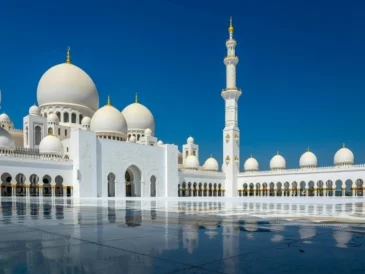
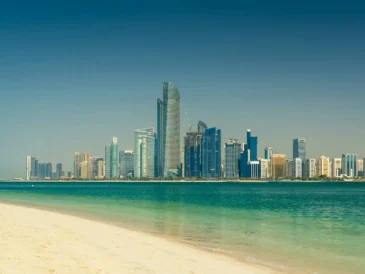
The capital is calmer and more spread out. The Sheikh Zayed Grand Mosque, Louvre Abu Dhabi, Qasr Al Watan, the Corniche and the theme parks on Yas Island are the headline sights, and the Liwa dunes in the far west are some of the most dramatic in Arabia. Start with our list of things to do in Abu Dhabi, then the full Abu Dhabi travel guide for planning.
Al Ain (inside Abu Dhabi)
Al Ain is a city within the Abu Dhabi emirate, close to the Oman border, and it deserves its own mention. Its date-palm oases, Bronze Age tombs and ancient falaj irrigation channels form the UAE’s first UNESCO World Heritage Site, and Jebel Hafeet rises right above the city.
Sharjah
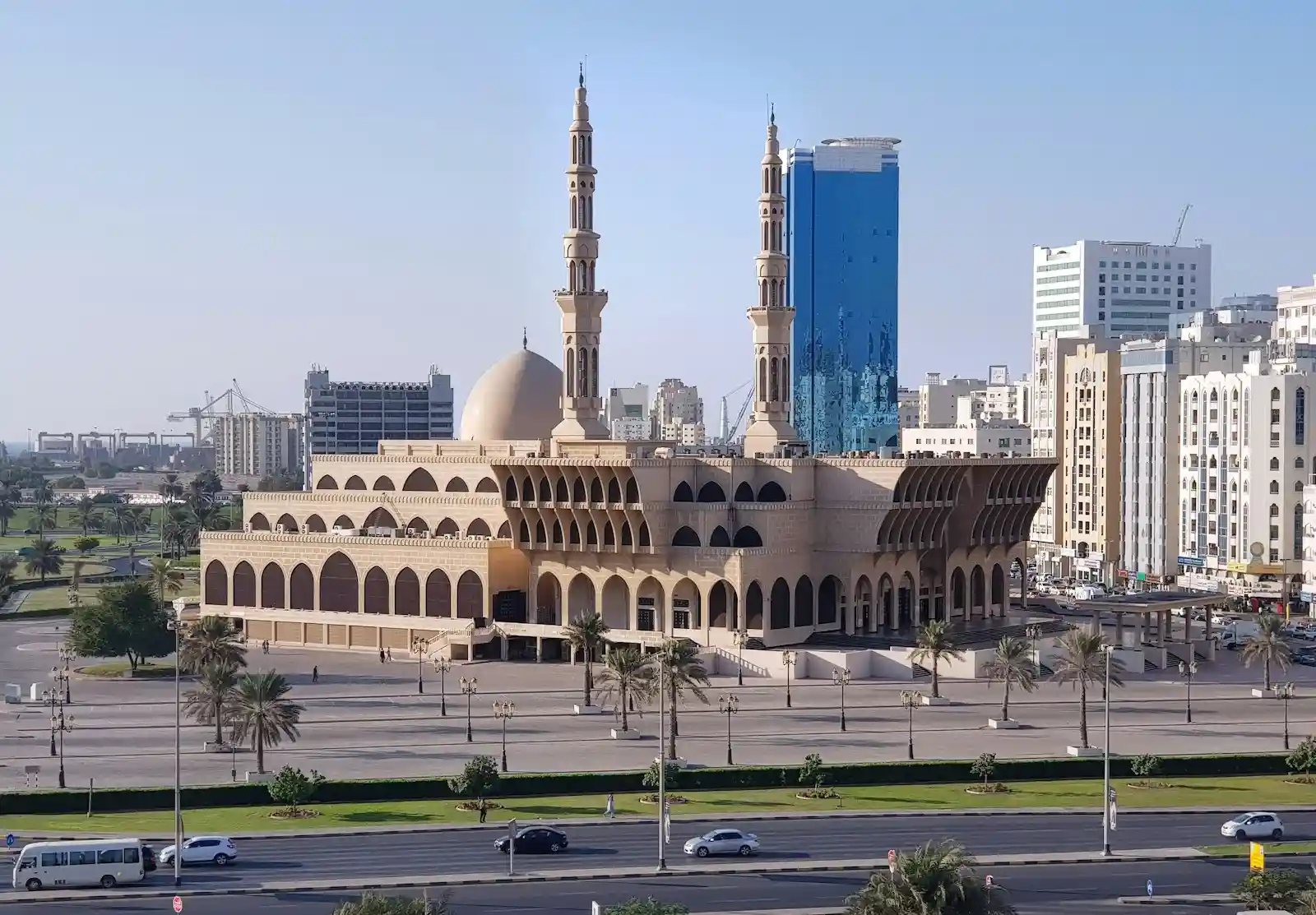
Sharjah sits right next to Dubai and is the UAE’s museum and heritage capital in all but name. The Heart of Sharjah area, the Sharjah Museum of Islamic Civilisation, the Al Noor Mosque and the restored Khor Fakkan waterfront on the east coast are the highlights. Remember that Sharjah has stricter rules than Dubai: drinking or carrying alcohol is illegal, and modest dress matters more.
Ajman and Umm Al Quwain
These are the two smallest emirates. Ajman has a long beach lined with good-value resorts, while Umm Al Quwain is known for its mangroves, lagoons and a slower pace of life. Neither needs more than a day, but both suit travellers who want a quiet beach without Dubai prices.
Ras Al Khaimah
Ras Al Khaimah, or RAK, is the adventure emirate. Jebel Jais is the UAE’s highest peak at 1,934 metres, with a mountain road, hiking trails and Jais Flight, a 2.83 km zipline that holds the Guinness World Record for the longest in the world. The coast below has beach resorts and the old pearling town of Al Jazirat Al Hamra.
Fujairah
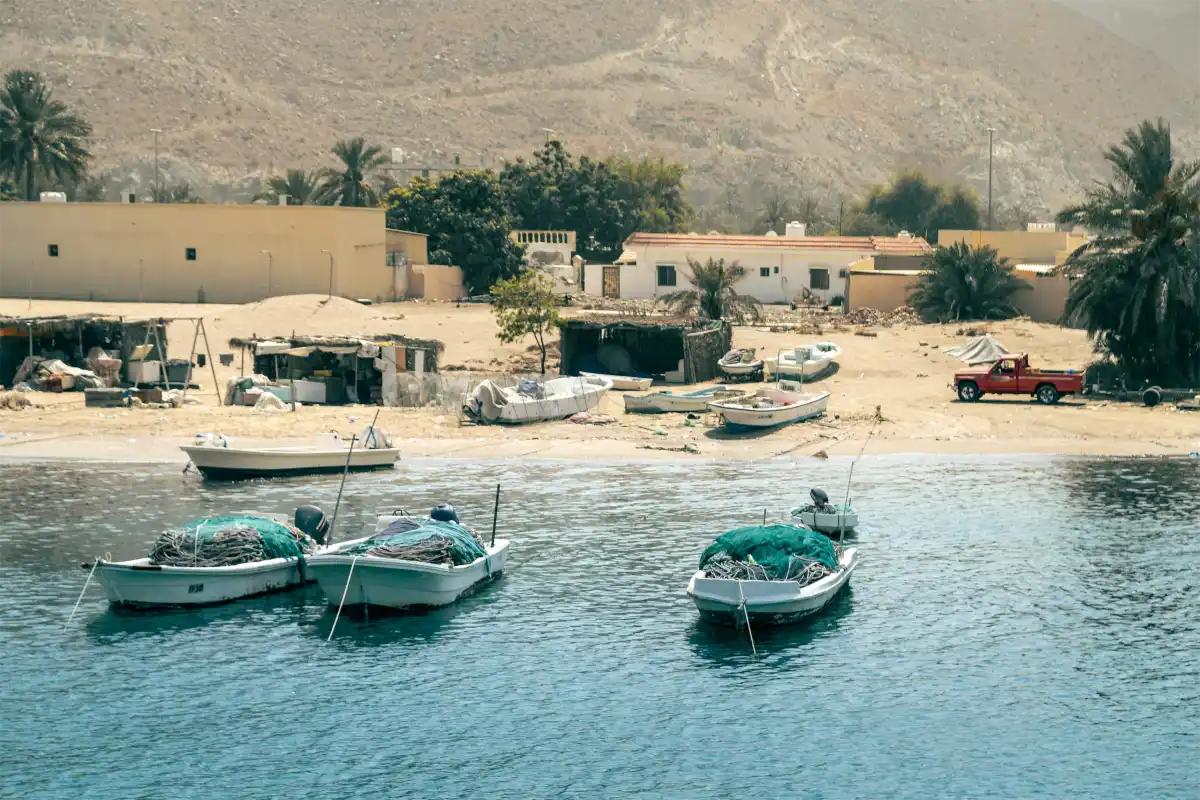
Fujairah is the only emirate that sits entirely on the Gulf of Oman, with the Hajar Mountains behind it and clear water for snorkelling around Snoopy Island and Dibba. In 2026 its Wadi Wurayah became the UAE’s first natural World Heritage Site, joining Al Ain and Sharjah’s Faya Palaeolandscape.
Is the UAE Safe to Visit?
For everyday crime, the UAE is one of the safer places you can travel, and most visitors never have a problem. The bigger question in 2026 has been regional security. The UK Foreign Office advised against all but essential travel to the UAE from 28 February 2026, during the conflict involving Iran, then lifted that warning on 18 June 2026 after a US and Iran agreement.
⚠️ CHECK BEFORE YOU GO
The FCDO no longer advises against travel to the UAE, but its advice still warns that terrorist attacks are possible and asks visitors to stay alert in crowded places. Advice can change quickly, and travel insurance may be invalid if you travel against official advice, so check your own government’s page in the week you fly.
Source: Travel Weekly, FCDO (GOV.UK)
Practical safety is mostly common sense: use licensed taxis or apps, keep an eye on drinks in bars, respect red flags on beaches because rip currents happen, and only go into the desert or mountains with a reputable operator or properly equipped 4×4.
UAE Visa and Entry Requirements
Whether you need a visa depends entirely on your passport. Citizens of many countries get a free visa on arrival, either for 30 days or a 90-day multiple-entry stay, while others must arrange a visa before travel. Your passport should be valid for at least six months from the date you arrive.
We keep this section short on purpose. For a step-by-step way to check the rules for your own passport, read our guide do I need a visa?, then confirm on the official UAE government portal before you book.
Source: u.ae, FCDO (GOV.UK)
Best Time to Visit the UAE
The best time to visit the UAE is November to March, when days are warm rather than hot and evenings are comfortable outdoors. This is peak season for desert trips, beach days, hiking in RAK and Fujairah and outdoor events, so hotel prices are highest. April, May and October are shoulder months with good deals. June to September is extremely hot and humid, which suits mall and resort holidays but not much else.
Our month-by-month guide to the best time to visit the UAE covers temperatures, sea conditions, Ramadan and the big events in detail.
Getting Around the UAE
Distances are short and roads are excellent, so you have several good options. The big change in 2026 is the arrival of passenger trains.
Etihad Rail: the new national train
Etihad Rail started passenger services between Abu Dhabi and Fujairah on 30 June 2026 and added Dubai and Al Dhaid in Sharjah on 30 September. The Dubai station is at Al Yalayis near Jumeirah Golf Estates, and the Abu Dhabi station is in Mohamed Bin Zayed City, so plan a taxi or ride-hailing transfer at each end. Tickets are sold on the Etihad Rail app, website and station machines.
| Route | Journey time | Fares from |
|---|---|---|
| Dubai to Abu Dhabi | About 57 minutes | AED 39 Comfort, AED 109 Premium |
| Abu Dhabi to Fujairah | About 105 minutes | AED 55 Comfort, AED 120 Premium |
| Dubai to Fujairah | About 69 minutes | AED 29 Comfort, AED 109 Premium |
Sources: Khaleej Times, Visit Abu Dhabi, Gulf News
🚆 WHAT’S NEXT FOR THE TRAINS
Madinat Zayed and Liwa stations in Abu Dhabi’s Al Dhafra region are due to open on 30 November 2026, with more Al Dhafra stops following, and a Sharjah city station is planned for March 2027. The full network will link 11 cities and regions.
Source: Gulf News, Visit Abu Dhabi
Buses, metro and taxis
Inside Dubai, the Metro and tram are the cheapest way to cover long distances, and intercity buses link Dubai with Abu Dhabi, Sharjah, Ajman and the northern emirates. Taxis are metered and plentiful. In Dubai licensed taxis are cream with coloured roofs, and pink-roofed taxis have female drivers; in Abu Dhabi taxis are silver. Careem and Uber also work across the main cities.
Renting a car
A car gives you the most freedom for Al Ain, Jebel Jais, Hatta, Fujairah and the Liwa desert. Visitors from the UK can drive on a UK photocard licence; other nationalities should check whether they need an International Driving Permit. Speed cameras are everywhere, any alcohol before driving is illegal, and rude gestures at other drivers can lead to fines or worse.
Source: FCDO (GOV.UK)
How Many Days Do You Need in the UAE?
Five days covers the essentials, seven feels relaxed and ten lets you see the mountains and east coast properly. These outlines assume you fly into Dubai.
| Trip length | Suggested route |
|---|---|
| 5 days | 3 nights Dubai, 2 nights Abu Dhabi, with a desert safari and the Grand Mosque |
| 7 days | 4 nights Dubai with a Sharjah day trip, 2 nights Abu Dhabi, 1 day in Al Ain |
| 10 days | 4 nights Dubai, 2 nights Abu Dhabi, 2 nights Ras Al Khaimah, 2 nights Fujairah by train or car |
If Dubai is the focus, our day-by-day Dubai itinerary fills in the details.
Top Experiences Across the UAE
- Burj Khalifa and Downtown Dubai: the observation decks, the fountain show and the Dubai Mall in one area.
- A desert safari: dune driving, camels and a camp dinner, from Dubai or Abu Dhabi.
- Sheikh Zayed Grand Mosque: the UAE’s most beautiful building, best visited in the late afternoon.
- Louvre Abu Dhabi: world art under a floating dome on Saadiyat Island.
- Old Dubai and the creek: an abra ride, the souqs and the Al Fahidi historical neighbourhood.
- Sharjah’s museums: Islamic art and history at a fraction of Dubai prices.
- Al Ain Oasis and Jebel Hafeet: shaded palm groves and a winding mountain drive.
- Jebel Jais: the highest road in the country and the world’s longest zipline.
- Fujairah snorkelling: turtles and reef fish around Snoopy Island and Dibba.
- Hatta: kayaking on the dam and mountain trails, an easy escape from Dubai.
- Liwa Oasis: towering dunes on the edge of the Empty Quarter.
UAE Laws and Etiquette for Visitors
The UAE is relaxed and international, but it is a Muslim country with laws that are stricter than in Europe or North America. These are the rules that catch visitors out most often, based on the UK Foreign Office advice.
- Dress: cover shoulders and knees in malls, souqs and other public places, and keep swimwear for beaches and pools.
- Alcohol: the legal age is 21 in Dubai, Abu Dhabi and the northern emirates. Drink only in licensed hotels, bars and restaurants, never in public. In Sharjah drinking or even carrying alcohol is illegal.
- Affection in public: it is frowned upon, and kissing in public can lead to arrest.
- Swearing and rude gestures: illegal in person and online, with possible jail or deportation.
- Photography: do not photograph people without permission, and avoid government buildings, military sites and airports.
- Drugs: zero tolerance, including tiny residual amounts and some CBD products.
- Medicines: some common prescription drugs are controlled, so check the Ministry of Health list and carry your prescription.
- Crossing the road: jaywalking is an offence; use marked crossings.
🌙 DURING RAMADAN
Ramadan moves each year. During daylight hours, avoid eating, drinking, smoking or chewing gum in public, including in your car, and keep music down. Hotels and many restaurants still serve visitors, sometimes behind screens, and evenings come alive after sunset with iftar meals.
Source: FCDO (GOV.UK)
For a full packing list that keeps you within the dress code, see our travel packing list.
Sources: FCDO (GOV.UK), UAE Ministry of Health
Money and Costs in the UAE
The UAE can be as expensive or as reasonable as you make it. Cards are accepted almost everywhere, ATMs are easy to find, and because the dirham is pegged to the dollar, budgeting is simple. Hotels add tourism fees and taxes to your bill, so check the final price before you book.
| Item | Typical price |
|---|---|
| Sheikh Zayed Grand Mosque | AED 10 visitor fee (free for 60 and over) |
| Louvre Abu Dhabi | AED 70 adult (free for under 18s) |
| Etihad Rail, Dubai to Abu Dhabi | From AED 39 one way |
| Etihad Rail, Dubai to Fujairah | From AED 29 one way |
Sources: The National, Louvre Abu Dhabi, Khaleej Times, Gulf News, u.ae
For full daily budgets, hotel prices and 3, 5 and 7 day totals, read our breakdown of Dubai trip cost. Days outside Dubai, especially in Sharjah, Ajman and Fujairah, usually cost less.
Where to Stay in the UAE
Most first-timers base themselves in Dubai and add a night or two elsewhere. Downtown and Dubai Marina suit sightseers, Jumeirah and Palm Jumeirah suit beach holidays, and Deira and Bur Dubai are best for budgets. Our guide to where to stay in Dubai compares each area.
- Abu Dhabi: the Corniche for the city, Saadiyat for beaches and culture, Yas Island for theme parks.
- Ras Al Khaimah: beach resorts on Al Marjan Island or Al Hamra, or a mountain lodge near Jebel Jais.
- Fujairah: resorts along the coast north towards Dibba for snorkelling.
- Al Ain: one night is enough to see the oasis and drive Jebel Hafeet at sunset.
Plan Your UAE Trip
Use these guides to turn the big picture into a plan.
UAE Travel Guide FAQs
Is the UAE worth visiting?
Yes, especially if you go beyond Dubai. In one short trip you can combine a modern city, a world-class mosque and museum in Abu Dhabi, desert dunes, mountain roads in Ras Al Khaimah and quiet east coast beaches.
Is the UAE safe for tourists in 2026?
Everyday crime is low. The UK Foreign Office lifted its warning against non-essential travel on 18 June 2026 but still asks visitors to stay alert. Check your government’s latest advice and your insurance before you fly.
Do I need a visa for the UAE?
It depends on your passport. Many nationalities get a free visa on arrival for 30 or 90 days, while others must apply in advance. Your passport needs at least six months’ validity from arrival. See our visa checker guide.
How many days do you need in the UAE?
Five days covers Dubai and Abu Dhabi. Seven days adds Sharjah and Al Ain at a relaxed pace. Ten days lets you include Ras Al Khaimah and Fujairah.
What is the best month to visit the UAE?
November to March has the most comfortable weather, with December to February the coolest. Shoulder months like April and October are cheaper, while June to September is very hot.
What currency is used in the UAE?
The UAE dirham (AED), which is fixed at AED 3.6725 to one US dollar. Cards are widely accepted, but carry some cash for souqs, abras and small cafés.
Can tourists drink alcohol in the UAE?
Yes, if you are 21 or over and drink in licensed venues such as hotels, bars and restaurants. Drinking in public is illegal everywhere, and alcohol is banned completely in Sharjah.
What should I wear in the UAE?
Light, loose clothing that covers your shoulders and knees in malls, souqs and public areas. Swimwear is fine on beaches and at pools. Women need a headscarf and covered arms and legs to enter mosques.
Can you travel between emirates by train?
Yes. Since 2026 Etihad Rail runs passenger trains linking Abu Dhabi, Dubai, Al Dhaid in Sharjah and Fujairah, with more stations opening from late 2026.
How do I get from Dubai to Abu Dhabi?
The fastest option is Etihad Rail, about 57 minutes from AED 39. Intercity buses, taxis and hire cars also cover the route along the main highway.
Which emirate is best for tourists?
Dubai has the most attractions, hotels and transport. Abu Dhabi is best for culture, Ras Al Khaimah for adventure, Fujairah for snorkelling and Sharjah for museums and heritage.
Is Abu Dhabi or Dubai better for a first visit?
Dubai is easier for a first trip thanks to its Metro and concentration of sights. Abu Dhabi is calmer and more cultural. Most visitors do both, as they are under an hour apart by train.
Can I drive in the UAE as a tourist?
Yes. UK visitors can use a photocard licence, and many other nationalities can drive with their home licence or an International Driving Permit. Check with your rental company and expect strict speed cameras.
What is the highest mountain in the UAE?
Jebel Jais in Ras Al Khaimah, at 1,934 metres. It has a paved road, viewpoints, hiking trails and Jais Flight, the world’s longest zipline.
Are there UNESCO sites in the UAE?
Yes, three: the Cultural Sites of Al Ain, the Faya Palaeolandscape in Sharjah and Wadi Wurayah in Fujairah, which became the country’s first natural World Heritage Site in 2026.
Is the UAE expensive to visit?
Hotels and alcohol can be pricey, but public transport, street food, souqs, beaches and many sights are cheap or free. See our Dubai trip cost guide for real budgets.
What can’t you do in the UAE as a tourist?
Avoid public drunkenness, swearing, rude gestures, kissing in public, photographing people without permission and carrying any illegal drugs or uncleared medicines.
What happens in the UAE during Ramadan?
Visitors should not eat, drink or smoke in public in daylight hours. Many restaurants still serve visitors discreetly, some opening hours change, and evenings are lively after sunset.
The Bottom Line
The UAE rewards travellers who look past the Dubai skyline. Base yourself in Dubai, add Abu Dhabi for the Grand Mosque and the Louvre, then use the new trains or a hire car to reach Al Ain, Ras Al Khaimah or the Fujairah coast. Go between November and March, respect the local laws and you will see far more of the country than most visitors do. Browse all our Middle East travel guides for the next step.
Sources: u.ae, u.ae fact sheet, FCDO (GOV.UK), Travel Weekly, Khaleej Times, Visit Abu Dhabi, Gulf News, Gulf News, WAM, Gulf News, Visit Ras Al Khaimah, RAK Media Office, The National, Louvre Abu Dhabi, Khaleej Times, UAE Ministry of Health, u.ae Rules, fares and prices change, so check official sites before you travel. Photos via Unsplash: baierx, Palani Selvam, Samy Mar Boy.