
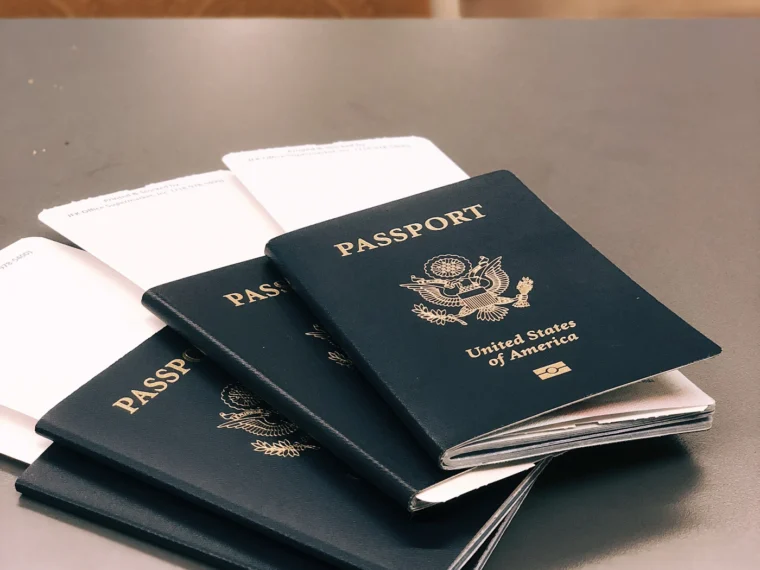
Forgetting a phone charger is annoying. Forgetting your driving permit, insurance details or a child’s consent letter can derail a trip. This travel documents checklist covers what to carry, what to copy, and where to keep each one so a lost bag or dead phone doesn’t leave you stuck.
It draws on the UK government’s foreign travel checklist and the US CDC’s travel advice, so some items (like the GHIC card or a UK IDP) are UK-specific. Check your own government’s equivalent for anything that depends on where you live.
The Quick Answer
Carry your passport and any visa or travel authorisation, tickets, travel insurance details, payment cards, a second photo ID, and your driving licence plus an International Driving Permit if the country needs one. Travelling with children may need birth certificates or a consent letter. Keep a printed copy of your insurance and a passport photocopy separate from the originals, and store digital copies of everything in secure cloud storage and offline on your phone.
On this page
- The travel documents checklist
- Passport and entry documents
- Insurance and health documents
- Driving documents
- Travelling with children
- Copies and backups: where to keep what
- Travel documents FAQ
- The bottom line
The travel documents checklist
| Document | Who needs it | Carry original? | Keep a copy? |
|---|---|---|---|
| Passport | Everyone travelling internationally | Yes | Yes: photocopy and secure scan |
| Visa, eVisa or travel authorisation (eTA, ESTA) | Depends on nationality and destination | Yes, if issued on paper | Yes: confirmation email or PDF |
| Second photo ID | Recommended for everyone | Yes, kept apart from your passport | Optional |
| Tickets and booking confirmations | Everyone | On your phone or printed | Yes: offline and in email |
| Travel insurance policy and emergency number | Everyone (strongly advised) | Emergency number on you | Yes: printed policy and digital copy |
| GHIC or EHIC (UK residents in the EU and some other countries) | UK residents | Yes | Optional |
| Driving licence and International Driving Permit | If you plan to drive; IDP only in some countries | Yes, both together | Yes: scan |
| Prescriptions or doctor’s letter | If you carry prescription medicines | Yes, with the medicines | Yes: scan |
| Birth certificate or consent letter | Some adults travelling with children | Yes | Yes: scan |

Passport and entry documents
Your passport is the one document you can’t replace quickly abroad. The UK government’s checklist suggests a few simple steps:
- Sign your passport and complete the emergency contacts page.
- Take an extra form of photo ID besides your passport, kept separately.
- Check your passport meets the entry rules for every country, including validity and blank pages.
- Get any visa or travel authorisation you need before you go, and keep the confirmation.
Not sure what your destination requires? Our guide on how to check visa and entry requirements shows how to find the official rules for your passport.
Insurance and health documents
If you need medical help abroad, the first call is usually to your insurer’s emergency assistance line, so keep that number somewhere you can reach without your phone. GOV.UK recommends printing out health insurance documents and carrying a copy with you.
💡 GOOD TO KNOW
The CDC suggests bringing copies of your passport and travel documents, your health insurance information and immunisation records, plus a contact card with the addresses, phone numbers and email of a family member or close contact at home. It recommends keeping both print and digital copies if possible.
Source: CDC, Pack Smart, checked 14 November 2026
UK residents heading to the EU should also pack a valid Global Health Insurance Card.
💡 GOOD TO KNOW
The NHS says a UK GHIC is free, lasts up to 5 years, and gives access to necessary state healthcare in the EEA and some other countries at the same cost as local residents. It is not a replacement for travel insurance, and the NHS warns that unofficial websites may charge a fee to apply.
Source: NHS, Apply for a free UK GHIC, checked 14 November 2026
If you carry prescription medicines, keep the prescription or a doctor’s letter with them, and check the destination’s medicine rules before you travel.
Driving documents
Planning to hire a car? Your licence alone may not be enough. GOV.UK says you may need an International Driving Permit to drive in some countries, depending on where you’re going and how long you’ll stay. UK drivers can get one in person at certain shops with PayPoint for £5.50, and you must always carry your driving licence as well as your IDP.
💡 GOOD TO KNOW
An IDP doesn’t replace your licence; the two work together. GOV.UK’s IDP page has a country-by-country table showing which permit type, if any, you need, and notes that drivers with a UK photocard licence generally don’t need one in the EU.
Source: GOV.UK, International driving permits, checked 14 November 2026
Travelling with children
Children need their own passports, and some families need extra paperwork. Under UK rules, GOV.UK says you need permission from everyone with parental responsibility (or a court) to take a child abroad. A letter from the other parent, with their contact details and the trip details, is usually enough, and you may be asked to show it at the border.
- Consent letter from anyone with parental responsibility who isn’t travelling.
- Birth or adoption certificate to show your relationship to the child.
- Marriage or divorce certificate if your surname differs from your child’s.
Source: GOV.UK, Taking a child abroad, checked 14 November 2026. Other countries have their own rules, so check before you travel.
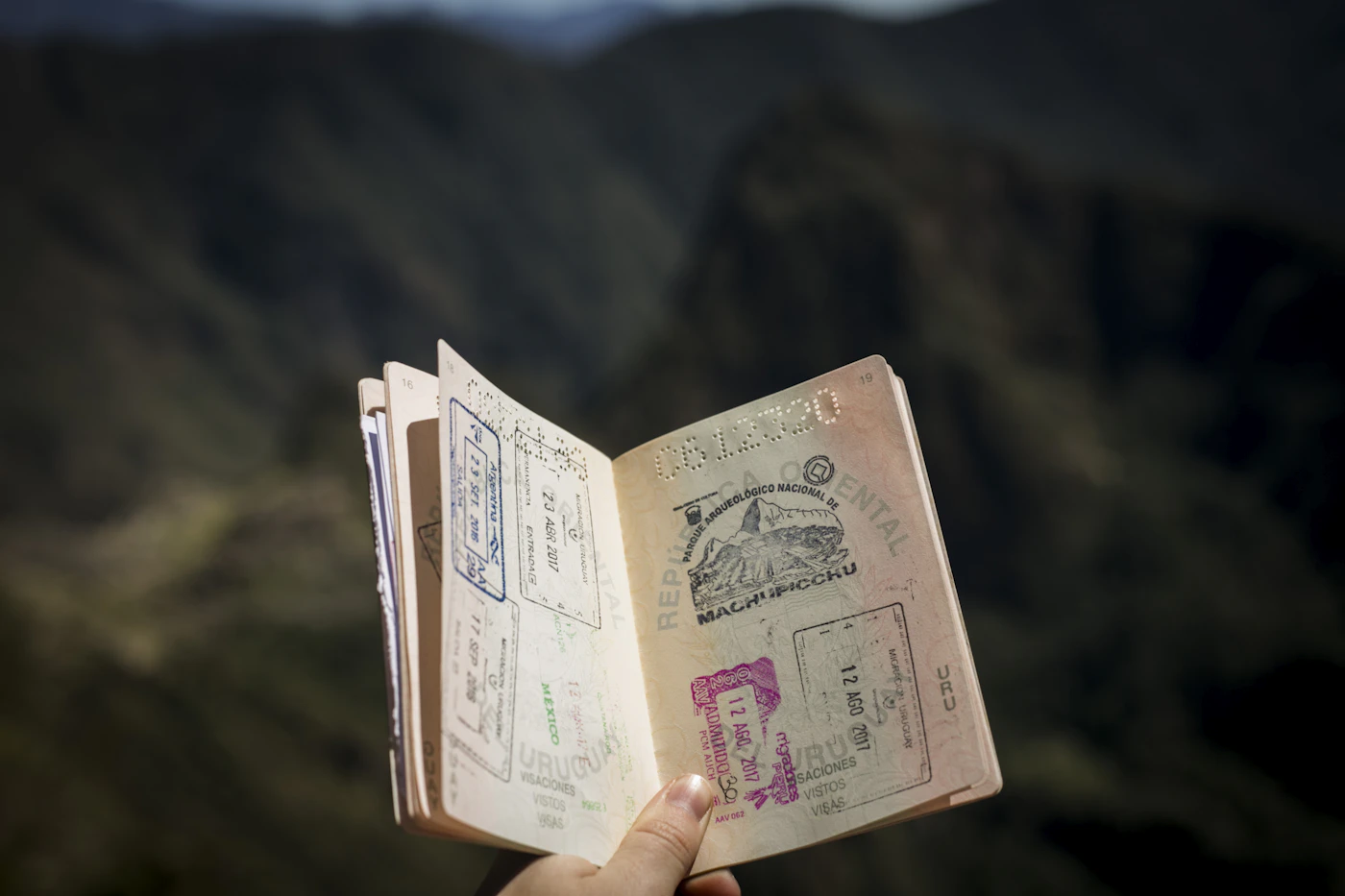
Copies and backups: where to keep what
The aim is simple: no single loss should leave you without your key details. GOV.UK advises having a backup plan for accessing information like your accommodation, flight and passport details.

- Scan or photograph your passport, visas, insurance, licence and prescriptions.
- Store copies in secure cloud storage or email, protected by a strong password and two-step login.
- Save offline copies on your phone for when you have no signal.
- Carry a paper copy of your passport and insurance, separate from the originals.
- Share your itinerary and copies with someone you trust at home.
For the rest of your bag, see our travel packing list, and for the full pre-trip picture, the international travel checklist.
Plan Your Next Trip
Finish your prep with these guides:
Travel documents FAQ
What documents do I need for international travel?
At minimum, a valid passport, any visa or travel authorisation your destination requires, your tickets and your travel insurance details. Depending on the trip you may also need a driving licence and International Driving Permit, prescriptions, or documents for travelling with children.
Should I carry a photocopy of my passport?
Yes, a photocopy kept separately from your passport, plus a secure digital scan, makes it easier to replace if it’s lost or stolen. GOV.UK also suggests carrying a second form of photo ID.
Do I need an International Driving Permit?
It depends on the country and how long you’re staying. GOV.UK says UK drivers may need one in some countries and must carry it together with their driving licence; check the country table on GOV.UK before you go.
What documents do I need to travel with a child?
The child needs their own passport, and in some cases you need extra documents. Under UK rules, you need permission from everyone with parental responsibility, usually shown with a consent letter, and a birth certificate can show your relationship.
Is a GHIC enough instead of travel insurance?
No. The NHS says the UK GHIC gives access to necessary state healthcare in the EEA and some other countries but is not a replacement for travel insurance.
Where should I keep digital copies of travel documents?
In secure cloud storage or email protected by a strong password and two-step login, plus offline copies on your phone. Share copies with someone you trust at home too.
The Bottom Line
Carry the originals you’ll be asked for, keep paper copies apart from them, and back everything up digitally and offline. Add an IDP, GHIC, prescriptions or a child consent letter if your trip needs them, and you’ll be covered even if a bag or phone goes missing.
Last updated: 14 November 2026. Document requirements depend on your nationality, residence and destination, so confirm the details with the official sources linked above before you travel.